• Building Type
Educational Building (Architectural)
• Location
1760 S Fowler Ave, Fresno CA 93727
• Architect
Darden Architects
• Tonnage
1250
Educational Building (Architectural)
1760 S Fowler Ave, Fresno CA 93727
Darden Architects
1250
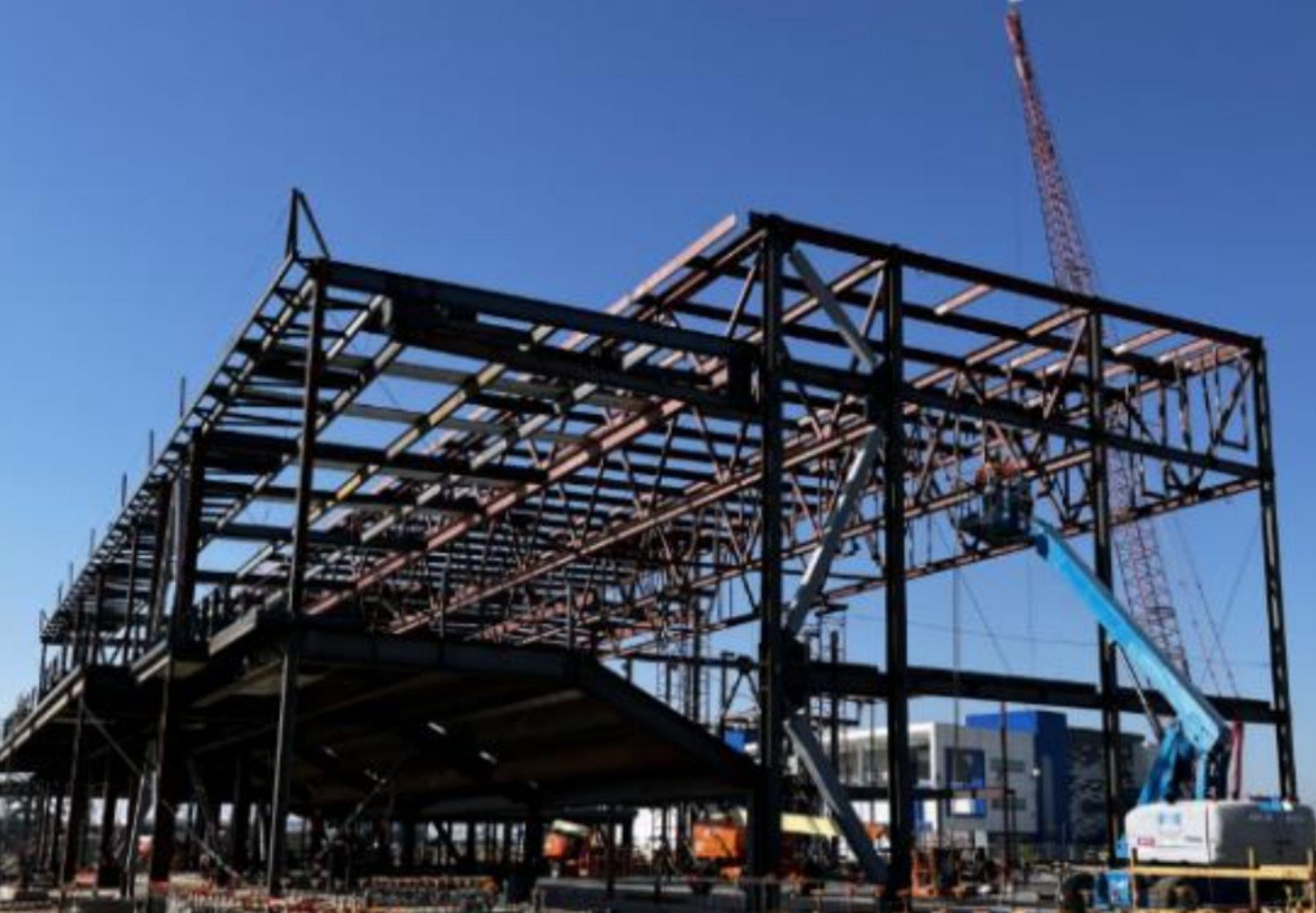
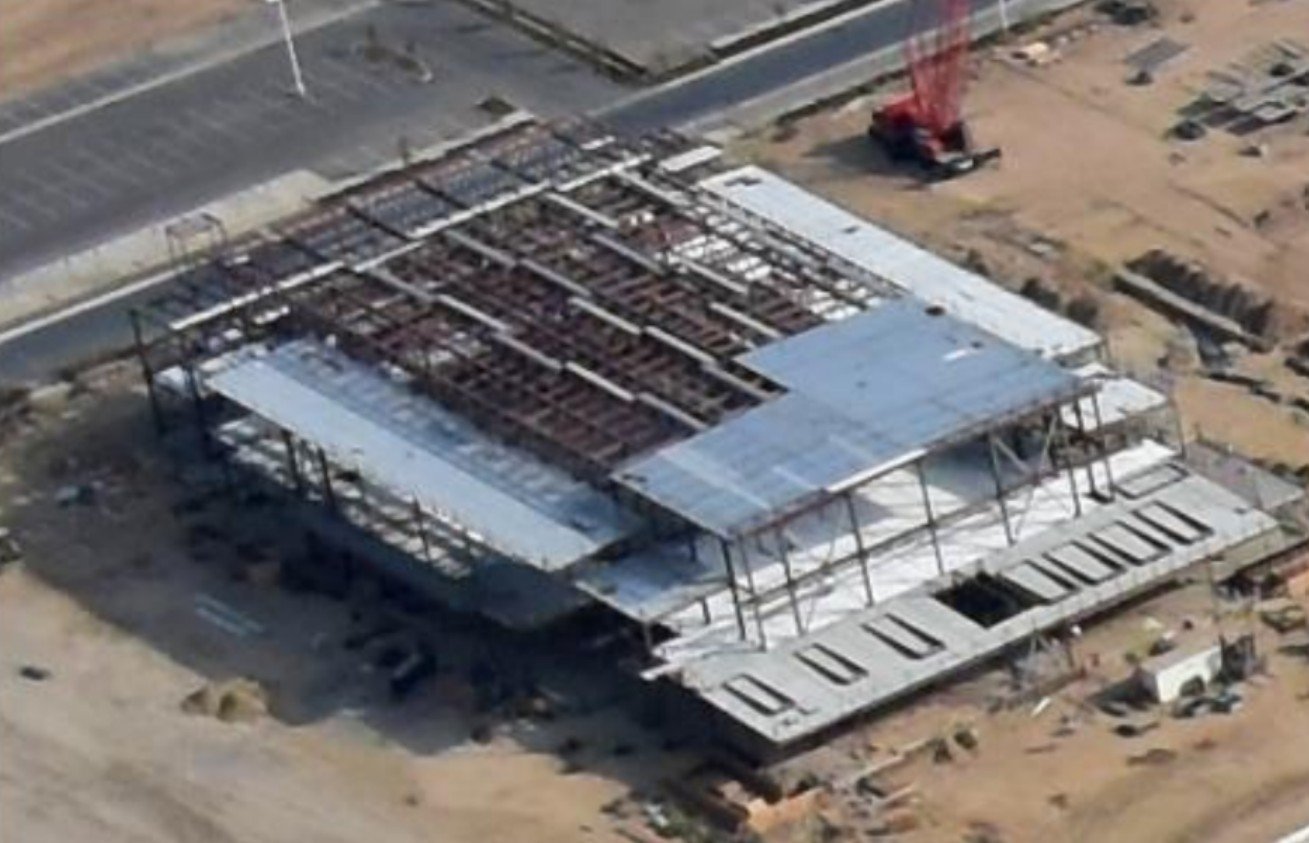
The Sanger Educational Complex in Fresno, California, is currently in Phase 3 of its development, involving the construction of two key facilities:
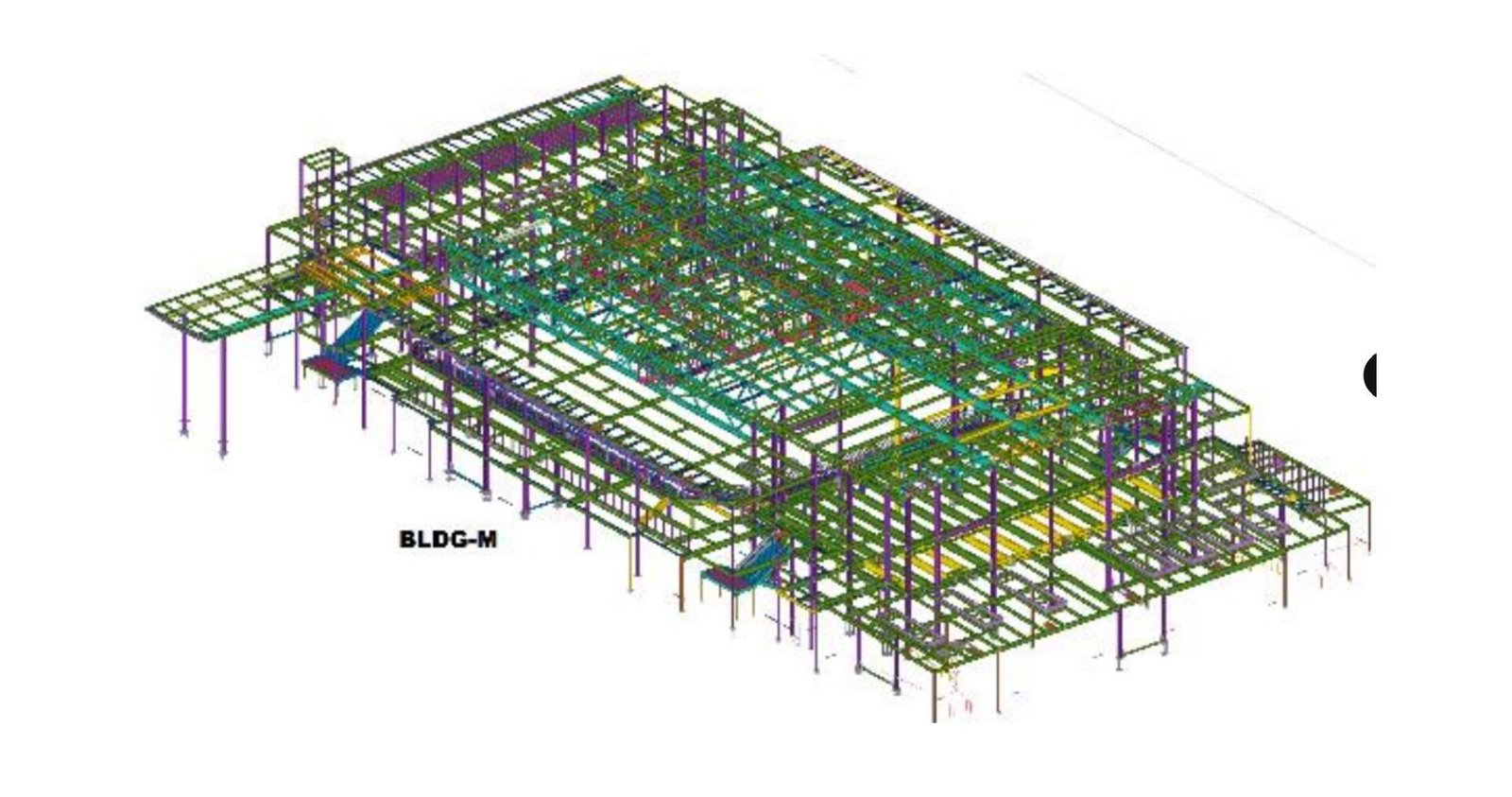
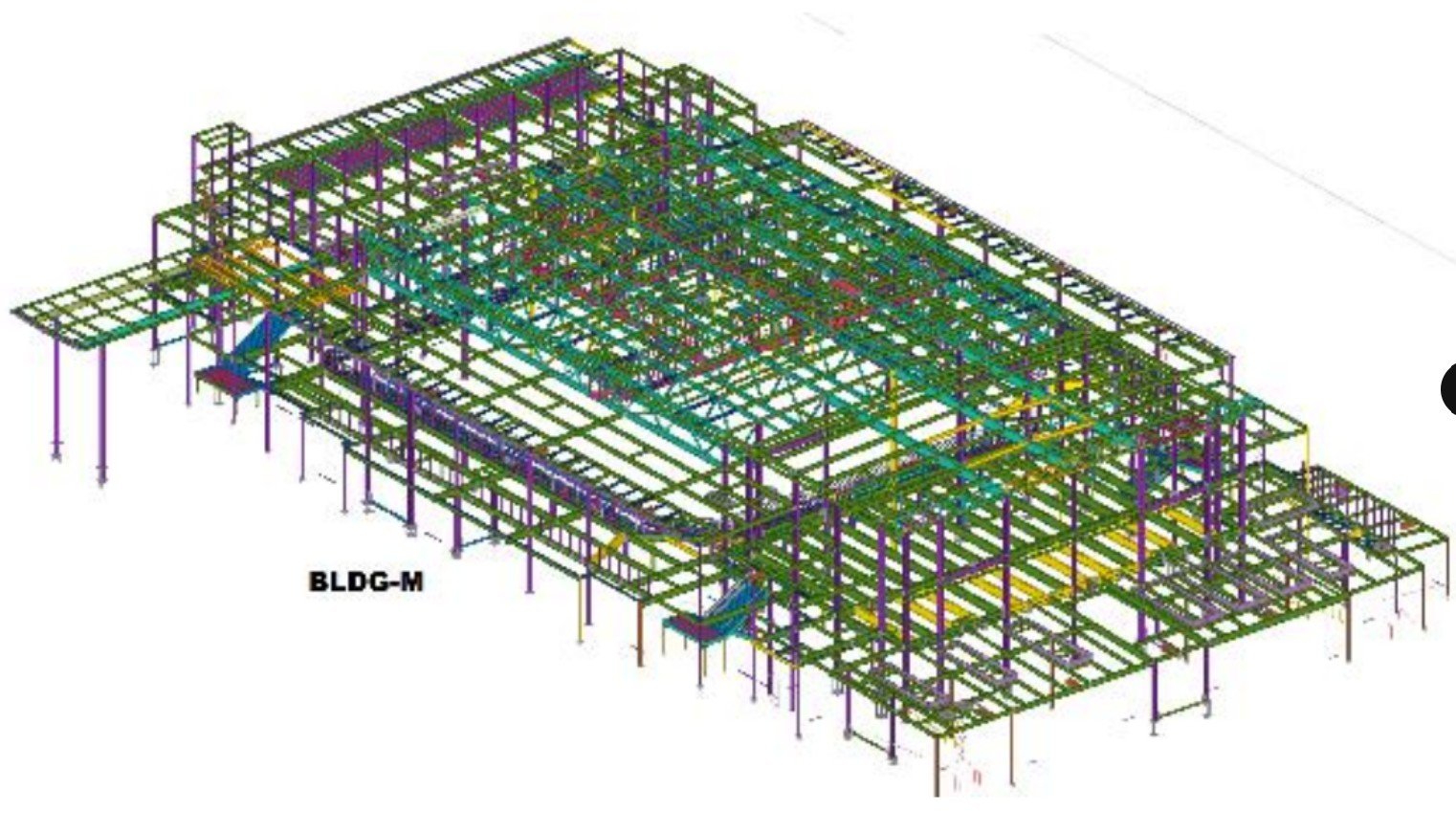
Building M: A 75,000-square-foot facility featuring a competition gym and locker rooms, with approximately 920 tons of steel. The detailing scope covers beams, cranked beams, columns, catwalk frames, trusses, stairs, ladders, and miscellaneous items. Around 2,450 shop drawings and 126 field drawings (including erection, bolt, and Architecturally Exposed Structural Steel [AESS] drawings) were produced.
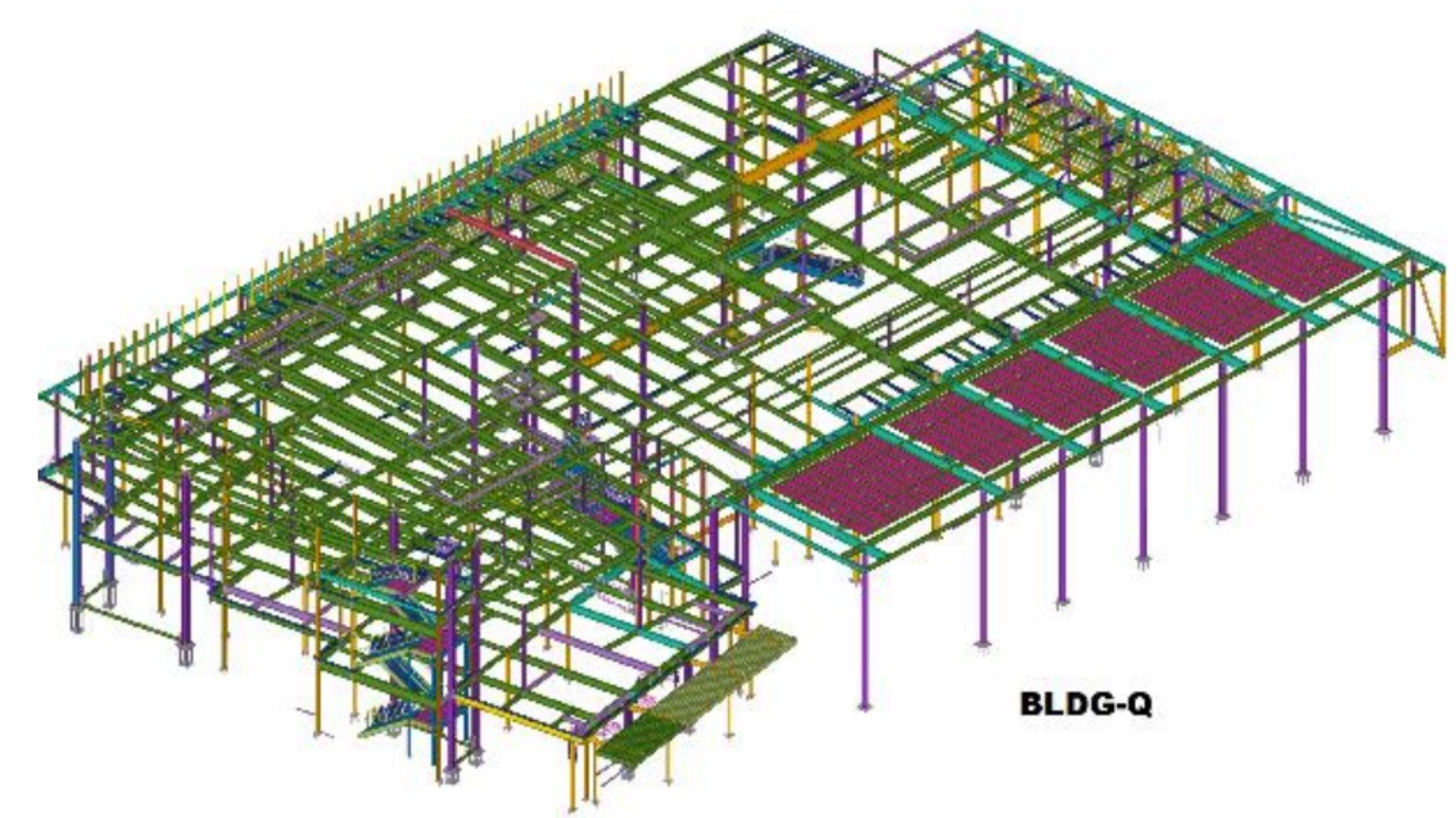
Building Q: A 38,000-square-foot Student Union building weighing approximately 375 tons. The detailing scope includes columns, beams, stairs, ladders, and other miscellaneous items. Around 1,337 shop drawings and 81 field drawings (erection, bolt, and AESS drawings) have been produced for this building.
1. Stick Model Accuracy: Incomplete initial design drawings posed risks to developing an accurate stick model. By utilizing the Revit model and clarifying locations with the Engineer of Record (EOR), the team successfully completed the stick model. This approach enabled us to progress without any delays.
2. Coordination Complexity: At the approval stage, coordination with other vendors was not initially defined. Post-approval, the team coordinated with decking, backstop, concrete, mechanical, electrical, fire sprinkler, and plumbing contractors. Our experienced staff quickly reviewed vendor drawings, identified conflicts, and resolved issues efficiently. This proactive approach not only ensured timely delivery of accurate shop drawings but also reduced the time our customer needed to spend coordinating with other vendors, streamlining the overall process.
3. Fireproofing and AESS Steel Identification: Identifying and categorizing steel members for fireproofing, intumescent coatings, and AESS was complex. Through collaboration with contractors and architects, finishes for each member were finalized before releasing shop drawings.
4. Approval Delays: While initial approval schedules were set early, the BRB brace connection details were received just three days before the deadline. The team updated the model quickly, submitting drawings on time despite this setback, delivering 1,200 tons of steel for EOR approval within two months.
5. Project Management and RFI Handling: Our project management approach was crucial to the success of the Sanger Educational Complex Phase 3. From the outset, we provided detailed engineering markups during the kick-off meeting, which helped generate early RFIs and avoid delays. We implemented RFI tagging directly in the model for impacted members, giving the customer real-time insight into progress and issues. Through constant collaboration, we offered the customer access to view day-to-day project updates, latest model revisions, and connection concepts, ensuring full transparency. Additionally, we shared model files for BIM coordination and held weekly meetings to address pending items, follow up on the schedule, and clarify questions. This structured approach ensured smooth communication and timely resolution of any issues throughout the project.
6. Fabrication Release Coordination: During fabrication, unresolved outstanding items posed risks to the shop drawing release schedule for fabrication. These included steel locations and elevations, vendor coordination for backstop support steel and mechanical equipment support steel, and addressing outstanding RFIs. To overcome this challenge, Building M was divided into six lots, and Building Q into four lots for phased drawing submissions. This approach ensured that critical paths aligned with the fabricator’s schedule and required continuous follow-up to incorporate responses and provide timely shop drawings for fabrication.
The Sanger Educational Center Phase 3 development demanded meticulous planning and coordination to address the challenges and risks involved in detailing. By leveraging Tekla as the detailing software, the team navigated incomplete information, complex trade coordination, and tight schedules to deliver high-quality results. The fabricator’s support and cooperation were critical in aligning with project timelines and ensuring the delivery of high-quality shop drawings.
Despite inherent risks such as delayed approvals, design changes, and material identification challenges, the project’s phased approach ensured alignment with the fabricator’s timeline, minimizing impacts on overall project delivery.